
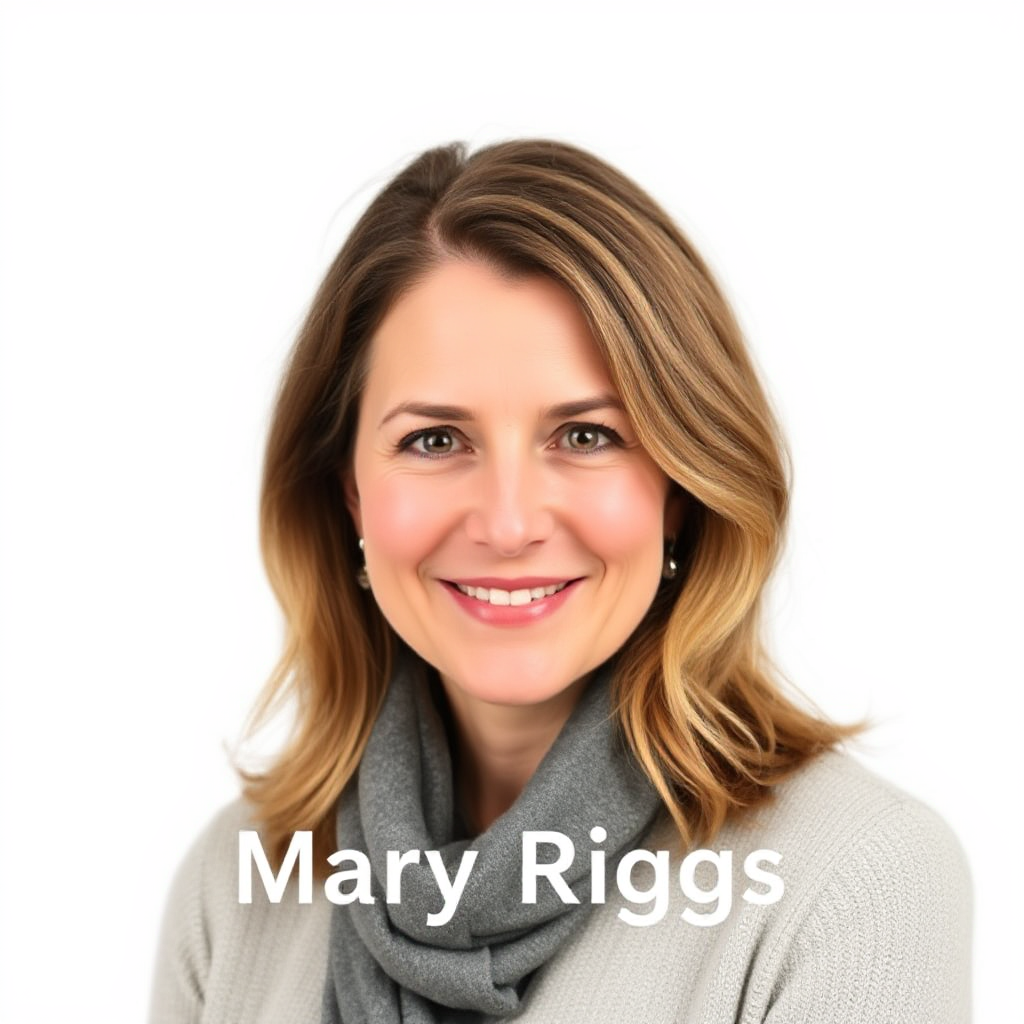
Ten years after the UK stumbled into a hasty referendum that polarised the country and unleashed turmoil, a warning is issued from across the Irish Sea: it may occur once more.
The government and citizens drifted into Brexit and the identical may happen with a national vote on a unified Ireland, sparking convulsions for which no one is ready.
That represents the warning from two prominent journalists from each side of the Irish border who have collaborated to examine the benefits and drawbacks of Northern Ireland departing the UK to form a fresh nation with the Republic of Ireland.
Governmental Institutions Not Ready
The author and columnist and Sam McBride, have concluded that the administrative systems in Ireland and Britain are extremely ill-prepared for a potentially tense and transformative referendum.
"The lesson of Brexit has gone unabsorbed, which is that developments can arise suddenly and can gather momentum rapidly," the commentator stated. "In my opinion that the governmental framework of our islands remains very unstable."
Book Publication Seeks to Stir Debate
The pair have analysed the political, financial and societal rationales for any governmental shift in a publication, The Case For and Against Unification, published by the Irish Royal Irish Academy.
They seek to encourage dialogue on the issue with a tour of lectures that will take them to Westminster soon.
"What concerns everyone, or must worry everybody, is the Brexit referendum of 2016," said O’Toole.
"We do not want a national vote on a binary, ambiguous question whose consequences have remained undefined because then you land with an highly divided society where the losing side are resistant to defeat and the victorious side are uncertain exactly what it is that they have won."
Constitutional Provision
Under the Good Friday agreement, the Northern Ireland official must arrange a referendum on Irish unity if it appears likely that a most voters would support.
Nationalist parties and other pro-unification groups claim such a time is looming, and a organisation called pro-unification advocates has built momentum, but both governments and unionists minimise the possibility, resulting in ambiguity whether or when there might be a national vote.
Lack of Substantive Discussion
Ideological statements for and against unity has masked the absence of substantive discussion, stated the journalist.
"Individuals are often supportive or opposed the notion but the concrete planning which could extend past that to realise it has largely not occurred. A lot has gone on in scholarly circles but very few elected officials or activists want to engage with even the fundamentals. To illustrate, which kind of country might be preferred? Centralised? Decentralised?"
Book's Approach
In the publication, none of the commentators supports unity or the status quo. They writes two essays that seek impartiality in detailing the rationale for a united Ireland and the rationale against, gathering financial and social figures, historical precedents and governmental frameworks.
Debates range over national emblems, levies, health services, elderly benefits, sovereign debt obligations and the threat of pro-UK militancy. The goal is to educate and encourage conversation.
"There is significant curiosity in the topic but there is still lacking a dialogue," said the writer. "Dialogue implies an acknowledgement of the notion that there could be reasonable perspectives on both sides."
Dual Referendums
A public vote in Northern Ireland would additionally cause one in the Republic of Ireland, where the electorate say they prefer unification but oppose greater financial contributions or implementing a alternative symbol to reflect pro-UK communities' British culture.
"The Irish government should determine what the proposal from pro-unification movements is other than just stating: 'We desire a unified Ireland and we love you'," stated O’Toole.
Possibility of Public Vote
McBride thinks a national vote in his lifetime is likely and that it could happen unexpectedly. "It is possible just a irresponsible or a bad or a negligent government minister who says: 'Let's just do this and get it out of the way.'"
Both nationalists and pro-UK supporters have reasonable, valid arguments, he stated. "Somebody will succeed here and somebody will ultimately not succeed but both parties has got valuable insights to learn from the alternative viewpoints."
Call for Wider Dialogue
Westminster should join the dialogue, stated O’Toole. "This is about your state. It is a British issue equally as it is an Irish issue."

